Why Tyler Homes Develop Foundation Problems
Many East Texas homes sit on dynamic geological formations that undergo extreme shifts with seasonal moisture. The primary culprit in Tyler and the broader Smith County area is the Wilcox Group clay soil profile, which features highly active, expansive clays (often interbedded with Taylor Marl deposits). These soils undergo aggressive shrink-swell cycles:
- Seasonal Shrink-Swell Action: During wet periods (East Texas receives an average of 45 to 50 inches of rain annually), these active clay particles absorb water and swell significantly, exerting tremendous upward pressure (heaving) that can crack thick concrete slabs and tilt support piers. Conversely, during hot, dry summer droughts, the clay shrinks rapidly, pulling away from the foundation and leaving empty spaces (voids) that cause sections of the home to settle or sag.
- Sandy Loam & The Perched Water Table Paradox: In older, heavily wooded neighborhoods in Central and South Tyler (like the historic Azalea District or near Loop 323), a layer of Carrizo-Wilcox sandy loam sits on top of dense, impermeable clay. Rainwater filters quickly through the sandy loam but pools when it strikes the clay, creating a hidden, perched water table. This trapped moisture flows beneath crawlspaces, leading to wood rot, sagging floor joists, and shifting wood-and-mortar piers.
- Expansive East Texas Clay: Pockets of highly plastic clay expand when wet and shrink when dry, leading to soil shifts.
- Poor Perimeter Drainage: Landscaping and grading that slope toward the foundation pool water next to concrete edges.
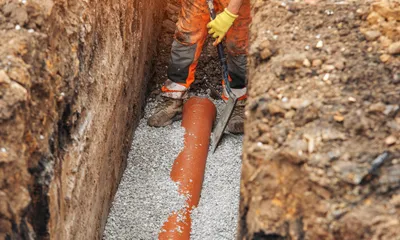
- Under-Slab Plumbing Leaks: A leak in a sewer or water line beneath a slab introduces concentrated moisture, causing local clay swelling and localized heaving.
- Tree Root Transpiration: Mature oak and pine trees in Tyler draw thousands of gallons of water from the soil near the house, accelerating soil shrinkage during dry months.
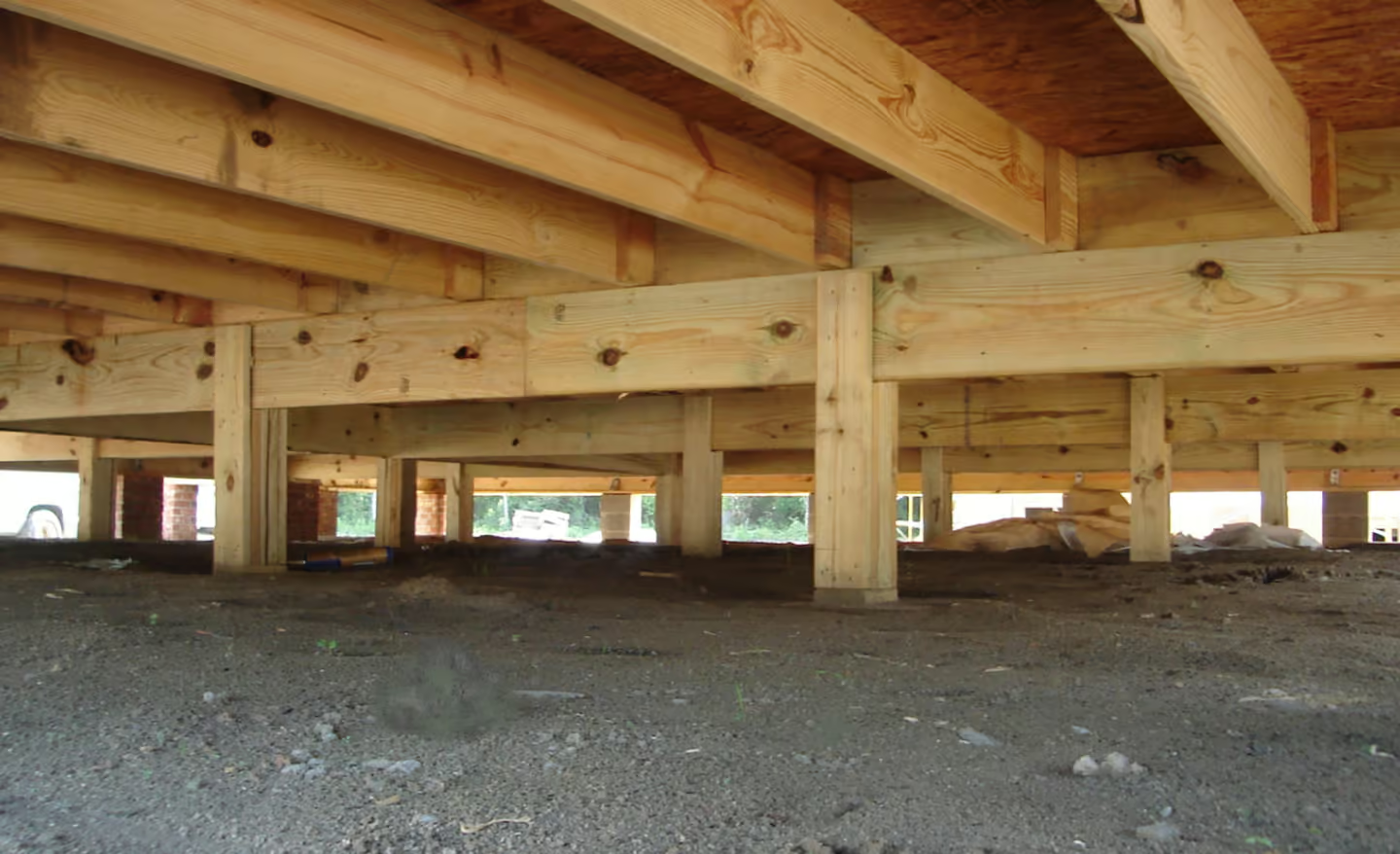
- Aging Pier and Beam Components: Deteriorating cedar shake shims, rotted oak beams, and settling crawlspace footings in historic homes.
Stabilizing an East Texas home requires an understanding of how these local soils behave, where water is pooling, and which repair method is best suited to counteract the Wilcox clay movement. The right repair starts with finding the root geological and drainage causes, not just patching the cosmetic symptoms.
Signs You May Need Foundation Repair
Foundation issues often show up in small ways before they become major repairs. If you notice one or more of these signs, it is worth scheduling an inspection:
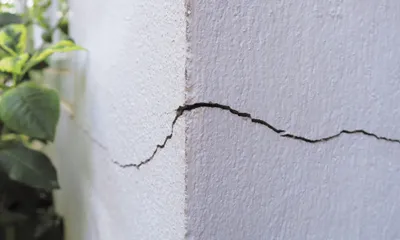
- Stair-step cracks in brick or mortar
- Cracks above doors and windows
- Interior drywall cracks that keep growing
- Doors or windows that stick or no longer latch
- Sloping, sagging, or uneven floors
- Gaps between walls, ceilings, trim, or floors
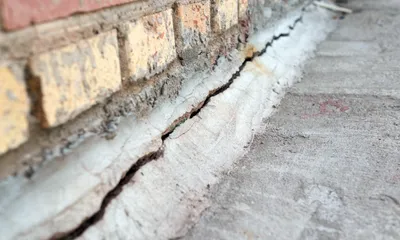
- Cracks in concrete slabs, patios, or garage floors
- Moisture, musty smells, or wood damage in a crawlspace
- Water pooling around the home after rain
Not every crack means your foundation is failing, but multiple symptoms together are a reason to have the home evaluated.
Our Foundation Repair Process
1. Inspect the home and symptoms
We look at visible cracks, floor movement, drainage, crawlspace conditions, slab edges, and areas where the structure appears out of alignment.
2. Identify likely causes
We look for patterns: soil movement, moisture imbalance, drainage problems, aging supports, slab settlement, or pier and beam deterioration.
3. Explain repair options clearly
You should understand what is urgent, what can be monitored, and what repair approach is recommended.
4. Stabilize the foundation
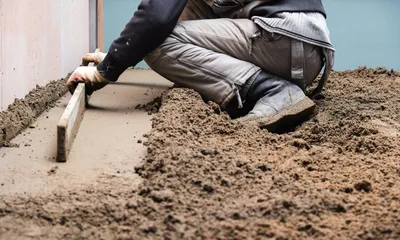
Depending on the issue, solutions may involve pier systems, beam or joist support, shimming, slab support, drainage correction, crack repair, or concrete leveling.
5. Protect the home long term
We explain what homeowners can do to reduce repeat movement, especially around drainage and moisture control.
Local Foundation Help Without the Pressure
Foundation repair can be expensive, and homeowners deserve a clear explanation before making decisions. Our goal is to help you understand whether your home needs repair, what is causing the problem, and which option is the right fit.
You will get practical recommendations, straightforward answers, and a repair plan based on what is actually happening at your home.