When Should You Schedule a Foundation Inspection?
Schedule an inspection if you notice:
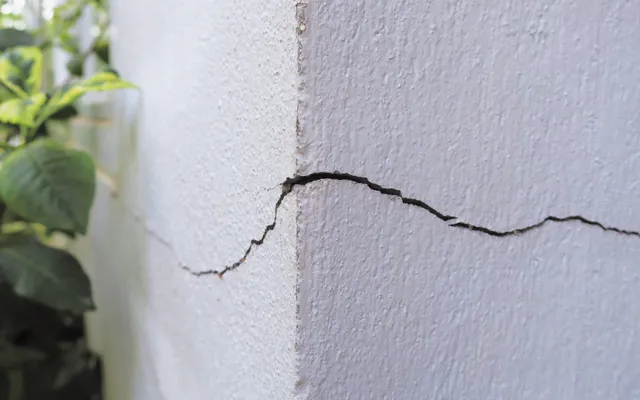
- Cracks in brick, drywall, tile, or concrete
- Doors or windows that stick
- Sloping or uneven floors
- Gaps around trim, ceilings, or windows
- Water collecting near the foundation
- Crawlspace moisture or sagging floors
- Soil pulling away from the slab
- Previous foundation repairs you want checked
- Concerns before buying or selling a home
A foundation inspection is especially useful when you are seeing multiple symptoms at once.
What We Check During a Foundation Inspection
A foundation inspection may include:
- Interior and exterior visual review
- Crack pattern evaluation
- Floor elevation measurements
- Door and window alignment checks
- Slab perimeter inspection
- Crawlspace inspection for pier and beam homes
- Drainage and grading review
- Signs of plumbing-related movement
- Review of prior repair areas, if visible
After the inspection, we explain what appears normal, what should be monitored, and what may need repair.
What You Get After the Inspection
You should not be left guessing. After the inspection, we walk you through:
- What symptoms we found
- What may be causing them
- Whether the issue appears urgent
- Which repair options may apply
- Whether drainage or moisture needs to be addressed
- Whether monitoring may be reasonable
- Next steps and estimated repair scope
Our goal is to give you a practical repair path, not pressure you into unnecessary work.
Foundation Inspections for Homeowners, Buyers, and Sellers
Foundation concerns can affect repairs, insurance questions, and real estate negotiations. Whether you own the home, are preparing to sell, or are reviewing inspection findings before buying, a foundation assessment can clarify the next step.
For real estate situations, the inspection should focus on visible symptoms, likely causes, repair recommendations, and whether additional evaluation from an engineer or plumber may be appropriate.